
Disclaimer: This review is based entirely on a genuine 3000-kilometre driving experience The things I’m going to tell you are things that dealers will never tell you, and you won’t find this information anywhere else.
Why I Bought the Grand Vitara Alpha+
Three months ago, when I bought the Grand Vitara Alpha+ and drove it out of the showroom, my expectations were very high Maruti claimed the car delivered a mileage of 21.11 kmpl, and I thought I had finally found an SUV that balanced both performance and fuel efficiency.
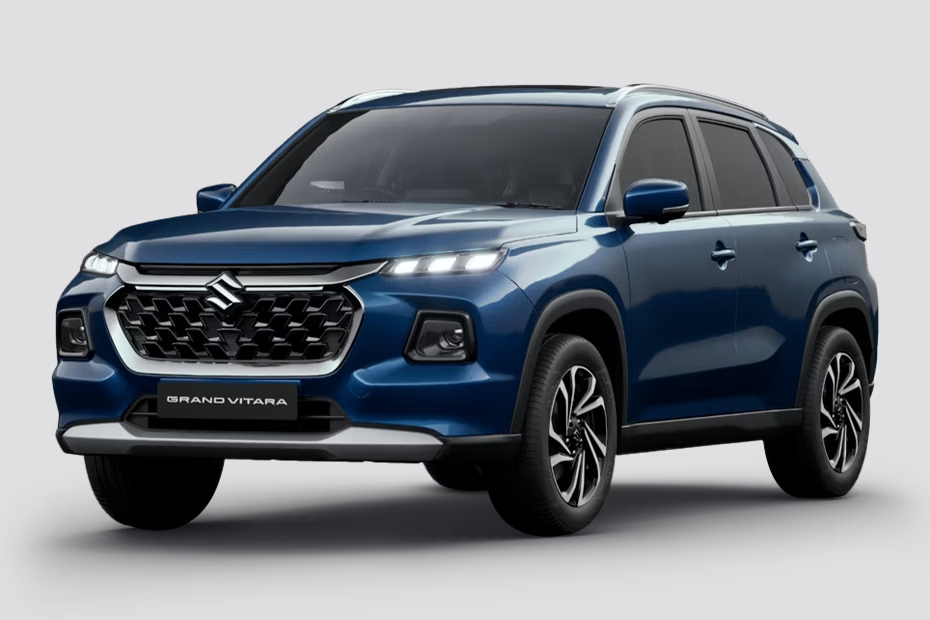
For the first week, everything seemed fantastic the premium cabin the smooth ride, and the quite competitive features in this segment But as the odometer readings increased, the truth began to unfold which to be honest, shocked me when I crossed the 3000-kilometre mark.
Grand Vitara Mileage: The Real Story Nobody Tells
City Mileage: The Shocking Truth
Maruti claims a mileage of 21.11 kmpl, which is ARAI certified but the reality is quite different I have tracked every single trip of my car, and this is what I found.
In the first 1000 kilometres, when the engine was in the running-in period, I got a mileage of approximately 14-15 kmpl in the city with the AC running at full blast as it’s difficult to survive without AC in Lucknow heat especially in traffic.
In the next 2000 kilometres, when the engine was properly broken in the city mileage improved slightly, and I consistently started getting 16.5 kmpl. This was even when I was deliberately driving in an eco-friendly manner.
Reality Check: If you drive normally and use the AC, expect a mileage of 14-16 kmpl in the city and 21.11 kmpl (ARAI) on the highway.
Highway Mileage – Better but still below claimed
At 80 kmph: When I used cruise control at 80 kmph, I got a mileage of approximately 19-20 kmpl, which is quite good and also increases the range.
At 100 kmph, which is usually my highway cruising speed, the mileage stays around 17-18 kmpl. This is practical, as most people drive at 100-110 kmph on highways.
At 120+ kmph: If you drive fast and go above 120 kmph, the mileage drops significantly to around 15-16 kmpl. The engine needs more fuel to maintain higher speeds.
Grand Vitara Monthly Fuel Cost Reality
If you drive it 50 kilometres daily, what will your monthly fuel cost be? Petrol prices keep increasing for example, the price in Lucknow is approximately ₹105 per litre.
- Monthly Distance: 50 km/day × 30 days = 1500 km
- Average Mileage: Approximately 16 kmpl (combined)
- Fuel Required: 1500 ÷ 16 = 93.75 liters
- Monthly Cost: 93.75 × ₹105 = ₹9,843
This is approximately ₹10,000 per month, just for fuel, which impacts your pocket, especially when compared to the Creta, which offers similar mileage, or the Hyryder Strong Hybrid, which offers better efficiency.
Maruti Vitara Performance City vs Highway Review
City Driving Experience
Driving the Grand Vitara Alpha+ in the city is an overall great experience, but it is disappointing in some areas.
Low-Speed Performance (0-60 kmph):
The initial pickup is good. The car feels responsive when starting from traffic lights, and reaching speeds of 40-50 kmph is smooth The Smart Hybrid electric motor actually works here, providing a slight boost but if you want aggressive acceleration this car is disappointing.
The car remains stable at speeds of 80-100 kmph, and the ride quality is comfortable The suspension absorbs bumps and potholes well However when you cross 100 kmph, some issues start to appear. Above 100 kmph, the car feels underpowered. It struggles when you try to overtake a truck or a slow car.
Braking Performance: The brakes are strong and inspire confidence even at high speeds The ABS and EBD are well-calibrated They perform excellently in emergencies.
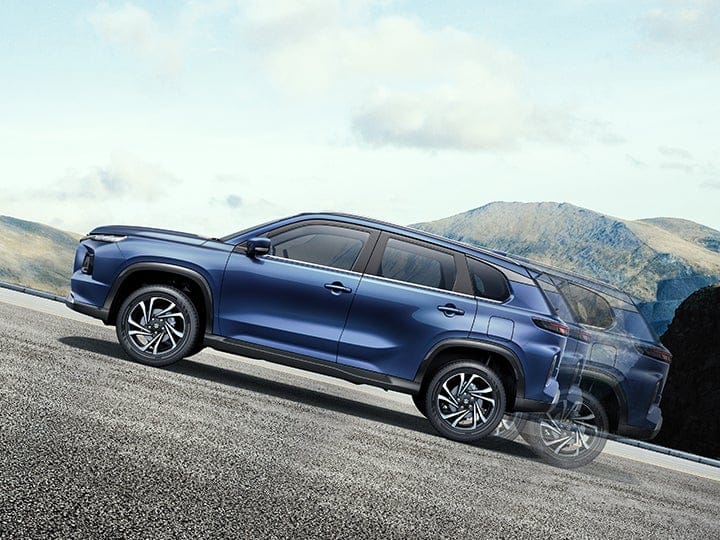
Maruti Grand Vitara Hidden Problems Nobody Talks About
Now I’ll tell you about the things I discovered after driving 3000 kilometres which no dealer or car owner will tell you.
1. Cabin Noise and Build Quality Issues
In the first 500-1000 kilometres, the cabin felt very quiet and solid but after 2000 kilometres, I started hearing some noises.
Dashboard Area: On bad roads, some panels of the dashboard make noise, especially noticeable in the otherwise quiet cabin I complained at the service centre and they tightened some clips but the problem was completely solved.
Roof Lining: The area around the panoramic sunroof sometimes produces noises This is particularly noticeable over speed breakers.
2. Infotainment System Glitchy and Slow
Voice Assistant: It comes with Alexa integration which is supposed to work with voice commands, but it’s a bit frustrating because the voice recognition is poor and doesn’t understand commands properly
Maruti has sent some OTA updates for the software, but they haven’t made any major improvements. Its competitors, the Creta and Seltos, have infotainment systems that are more responsive and user-friendly.
3. Vitara Boot Space in Hybrid Model vs Competitors
The Alpha+ Strong Hybrid variant offers a boot space of only 373 litres. This is less than its competitors in this segment (Creta: 433 litres, boot space and Seltos: 433 litres) due to the space sacrificed in the boot because of the battery pack.
The Smart Hybrid variants have better boot space (398 litres), but it’s still less than other companies’ cars.
4. Service Quality: What's the Difference Between NEXA and Arena?
Maruti Suzuki has two major service networks, NEXA (premium) and Arena (regular). The Grand Vitara belongs to NEXA.
First Service (Free): This was okay; routine checks, oil change, and filter replacement There were no major issues, so the service was smooth.
What Impressed Me: The Positives
It’s not all negative the Grand Vitara Alpha+ has some genuinely impressive features and qualities that are quite pleasing.
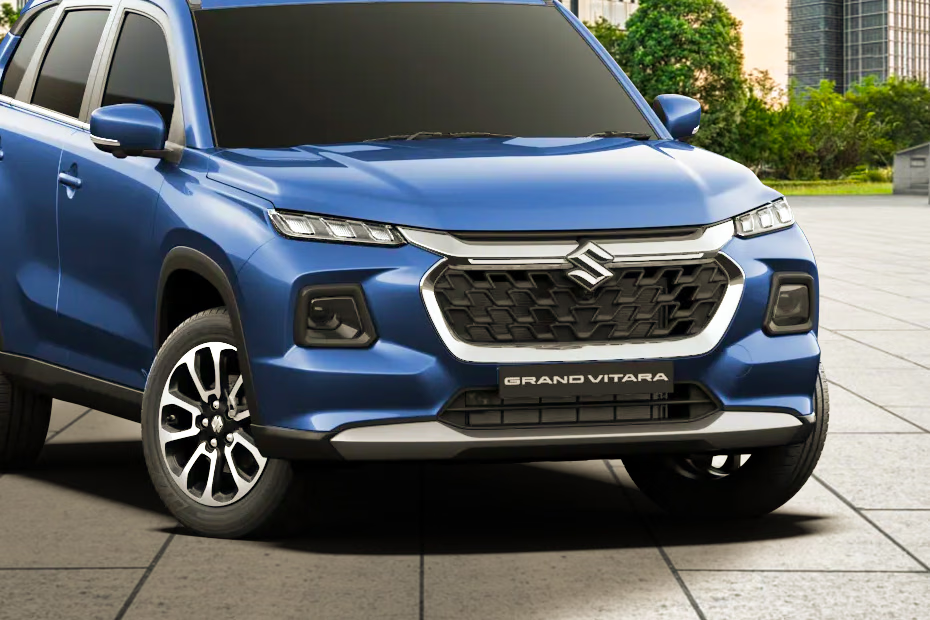
1. Panoramic Sunroof: Premium Feel
The dual-opening panoramic sunroof of the Alpha+ (O) variant is truly outstanding It’s one of the largest sunroofs in this segment Morning drives with the sunroof open give a next-level feeling The sunroof quality is also excellent, with strong glass, smooth opening, and a proper wind deflector The tint effectively blocks heat in bright sunlight.
2. Maruti Premium Interior Quality
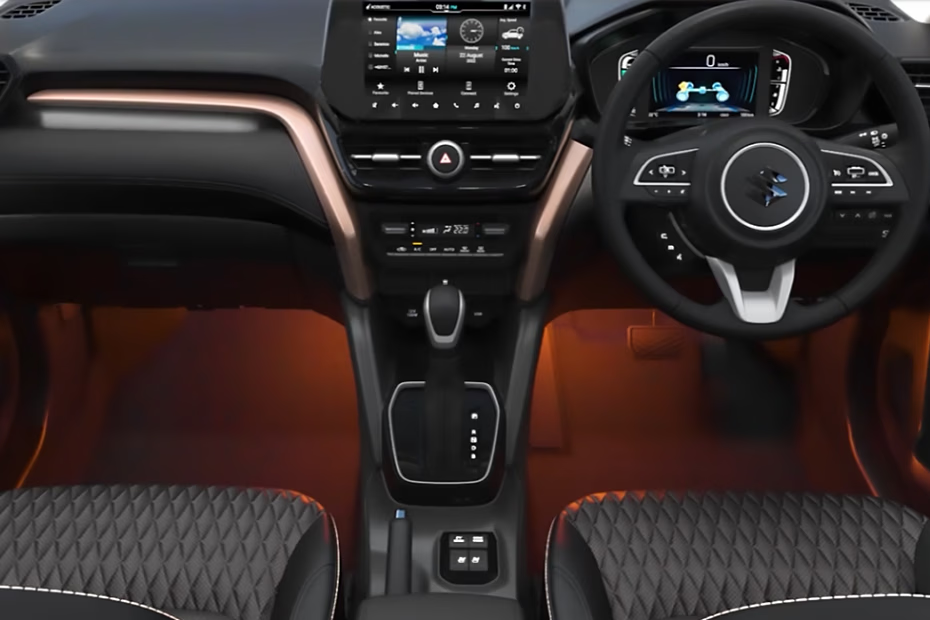
The cabin has a premium feel with soft-touch materials on the dashboard, comfortable leatherette seats, and generally good fit and finish (except for some rattles). Ambient lighting is also present Rear seat comfort is also excellent (except for the headroom issue). The cushioning is soft, and the legroom is decent.
3. Grand Vitara Safety Features: Comprehensive Package
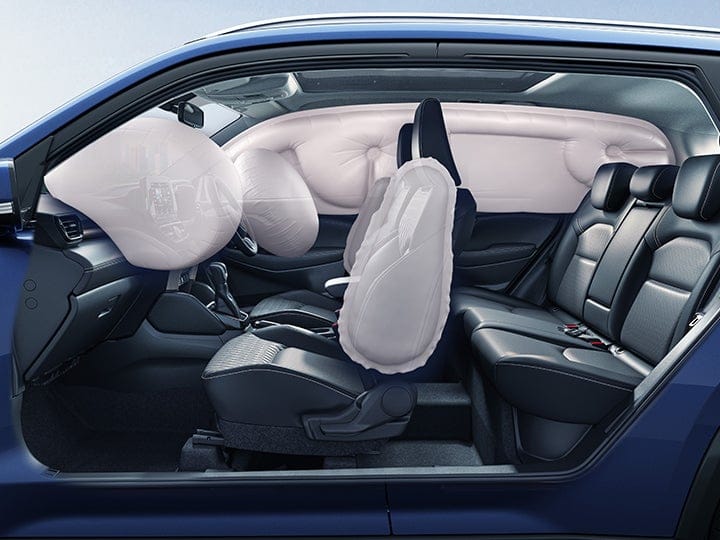
The Grand Vitara comes with 6 airbags as standard (in all variants), which is great for safety-conscious buyers Features like ESP, Hill Hold Assist, and TPMS (Tire Pressure Monitoring System) are also available The Alpha+ variant features a combination of a 360-degree camera and parking sensors, which helps in avoiding accidents The overall safety package is segment-leading.
4. Low Maintenance Cost – Maruti Advantage
Maruti biggest advantage is its very reasonable service costs Compared to Hyundai or Kia, its spare parts are easily available, and service is readily available everywhere The large service network is a major advantage for long-term ownership.
Is the Alpha+ Variant Worth It?
Alpha+ Exclusive Features that are not available in any other car:
- 8-way power-adjustable driver seat
- Head-Up Display (HUD)
- Leatherette seats
- 360-degree camera
- Ventilated front seats
- Premium audio system
- Auto-dimming IRVM
- Wireless charger
Price Difference:
There is a difference of approximately ₹1.5-2 lakh between the Alpha+ and Zeta variants. This is a significant amount.
If you value features and your budget is comfortable, then the Alpha+ is worth it. Specifically, ventilated seats, the 360 camera, and the HUD display are useful features The leatherette seats also give a premium feel However, if your budget is tight, the Zeta variant is also an excellent value proposition All the core features are available.
My Recommendation: If you can comfortably afford ₹18+ lakh, go for the Alpha+. Otherwise, the Zeta (O) is the best value-for-money.
Competitors Comparison - How Does It Stack Up?
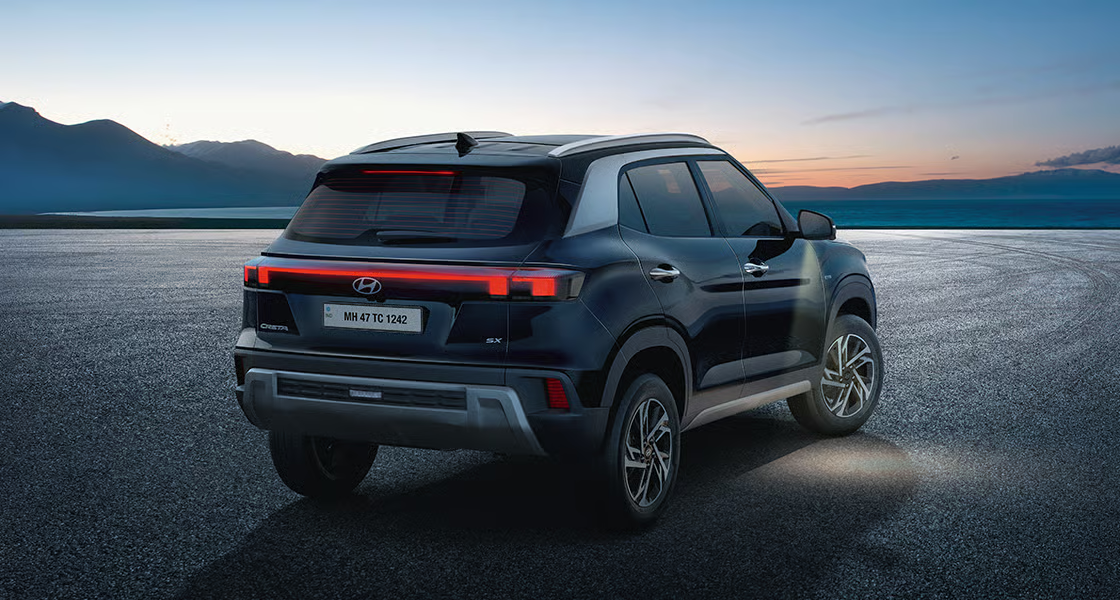
1. Grand Vitara Alpha+ vs Hyundai Creta
Mileage: The Grand Vitara wins The Creta petrol city mileage is similar (14-15 kmpl), but the Grand Vitara Smart Hybrid system gives it a slight edge.
Performance: The Creta is the clear winner. The 1.5 turbo petrol engine (160 PS) is significantly more powerful than the Grand Vitara 103 PS engine The Creta feels more confident during overtaking and high-speed cruising.
Features: The Creta is more feature-rich It offers a better infotainment system, more connected features, and premium interior quality The Grand Vitara is competitive but not quite as good as the Creta.
Verdict: If performance is your priority, the Creta is better. If you prioritise mileage and Maruti service network, then the Grand Vitara is the best option for you.
2. Grand Vitara Alpha+ vs Toyota Urban Cruiser Hyryder
This is the most interesting comparison because both essentially share the same platform.
Engine Options: Both come with the exact same engines 1.5L Smart Hybrid and Strong Hybrid.
Pricing: The Hyryder is slightly more expensive there is a difference of ₹20,000-30,000 for the same variants.
Verdict: Both cars are excellent in their own right and are almost identical. Choose based on styling preference and service network availability.
Should You Buy the Grand Vitara Alpha+?
✅ Fuel Efficiency: If mileage is your most important factor and you mostly do city driving, the Grand Vitara is a solid choice It delivers 15-16 kmpl city mileage which is the best in this segment.
✅ Family Usage: If you want a comfortable ride quality, a spacious cabin, and safety features, this makes it a great family car for daily commutes and weekend trips.
✅ Resale Value: If you are planning to upgrade in 3-4 years, Maruti strong resale value makes it a financially smart choice.
Avoid If:
❌ Highway Performance: If you do regular highway driving and need to overtake frequently, this car might be frustrating.
❌ Premium Cabin Quality: If build quality and refinement are your top priority the Creta or Seltos are better options.
❌ Tall Passengers: If you regularly have passengers over 6 feet tall, there will be headroom issues in the rear seat.
❌ Boot Space: For family trips with luggage, the 373 litres of boot space is limiting.
Cost of Ownership after 3000 KM
Now I’ll explain the practical financial aspects What was my actual cost of ownership over 3000 kilometres?
Fuel Cost:
- Distance Covered: 3000 km
- Average Mileage: 16 kmpl (combined city + highway)
- Fuel Consumed: 3000 ÷ 16 = 187.5 liters
- Fuel Price: ₹105 per litre (average)
- Total Fuel Cost: 187.5 × ₹105 = ₹19,687
Service Cost:
First Service (1000 km): Free (covered under warranty)
Estimated Service Cost (beyond free service): ₹3,000-4,000 for routine services
Insurance:
Annual Insurance: Approximately ₹25,000-28,000 (with zero-depreciation cover)
For 3 months: ₹6,250-7,000
Other Costs:
- Tolls: ₹500-800 (depending on routes)
- Parking: ₹300-500
- Misc (car wash, etc.): ₹500-700
- Total Cost for 3000 km:
- Approximately ₹27,000-28,000
What is the annual cost for the Alpha Plus?
If you maintain a similar usage pattern (50 km/day average), how much will your annual expenses be, including service costs?
- Annual Distance: 18,000 km
- Fuel Cost: Approximately ₹1,18,000
- Service Cost: ₹8,000-10,000
- Insurance: ₹25,000-28,000
- Others: ₹10,000-12,000
- Total Annual Running Cost: ₹1,61,000-1,68,000
- This works out to roughly ₹13,500-14,000 per month.
Final Thoughts My Honest Opinion
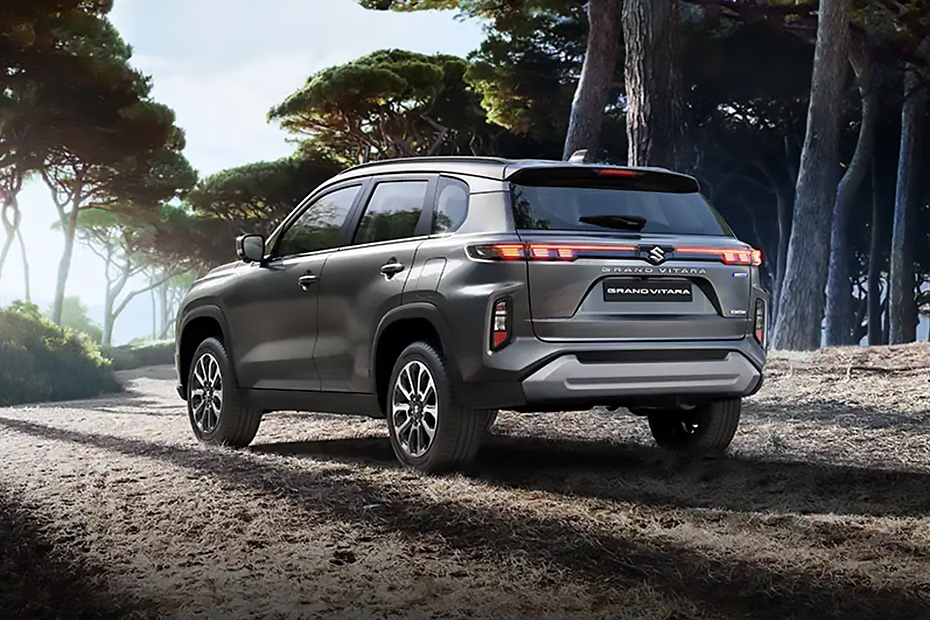
After driving 3000 kilometres, I can say that the Grand Vitara Alpha+ is a mixed bag. It’s not a perfect car in this segment, but it has significant strengths that might appeal to many buyers while also having some drawbacks.
Main Strengths:
- Decent fuel efficiency (15-16 kmpl in the city, 18-20 kmpl on the highway)
- Comfortable ride quality
- Feature-rich cabin (in the Alpha+ variant)
- Strong safety package
- Maruti service network and resale value set it apart
- Competitively priced in this segment
Main Weaknesses:
- Disappointing high-speed performance
- Engine noise above 110+ kmph
- Build quality issues (rattles, cheap plastics)
- Mediocre infotainment system that can be a bit distracting while driving
- Limited boot space (in the Strong Hybrid variant)
- Limited rear seat headroom (for tall passengers)
This detailed review is based on my actual 3000 kilometres of experience. There is no sponsorship, no bias – just honest opinions and real-world data.
Questions Answered FAQs
Smart Hybrid vs Strong Hybrid Which is Better?
Strong Hybrid is the clear winner for mileage-focused buyers The City offers a real-world mileage of 22-24 kmpl with the Strong Hybrid, while the Smart Hybrid delivers 14-16 kmpl. This is a massive difference.
- The Strong Hybrid is more expensive (₹2-2.5 lakh more)
- Boot space is less (373L vs 398L)
- Maintenance could potentially be costly (the hybrid system is complex
Automatic vs Manual Which to Choose?
Automatic is recommended for city driving In a manual, the clutch operation becomes tiring in heavy traffic due to repeated pressing Automatic offers both convenience and reasonable mileage.
- Automatic is ₹1-1.5 lakh more expensive
- Manual gives slightly better mileage (1-1.5 kmpl)
- Manual is best for driving enthusiasts
CNG Variant A Good Option?
The Grand Vitara CNG variant is available (in Delta and Zeta trims). This is an option for budget-conscious buyers.
Pros:
- Extremely low running cost (₹2-2.5 per km)
- Environmentally friendly
Cons:
- Reduced power output (88 PS vs 103 PS)
- Compromised boot space (due to the CNG cylinder)
- Limited CNG stations in many areas
- Slightly higher maintenance costs
Disclaimer: This review is based on my personal experience Individual experiences may vary depending on driving conditions maintenance, and usage patterns Always take a professional test drive and consult with experts before making a final decision.