
Safest Cars in India 2026 Recent data from MoRTH (Ministry of Road Transport and Highways) reveals that in 2024, the country witnessed over 480,000 road accidents and a significant number of these involved occupants of vehicles who felt a false sense of security, believing their cars were 5-star rated.
When most people search for the “safest cars in India,” they encounter generic lists featuring nothing more than car names accompanied by a “5-star” badge What often goes unmentioned is that a car scoring 27/32 and another scoring a perfect 32/32 both receive the same “5-star” rating.
Bharat NCAP vs. Global NCAP — What is the difference?
Before purchasing a car, it is crucial to understand how NCAP ratings function—and in India two distinct agencies are responsible for this task.
Global NCAP (GNCAP) is an international organization that evaluates the crash safety of cars worldwide. Its scoring system is based on a maximum of 34 points (for Adult Occupant Protection, or AOP), and since 2023, it has been operating under new and more stringent protocols.
Bharat NCAP (BNCAP) is the Indian government own crash-testing agency, which commenced operations in October 2023. It conducts testing specifically tailored to Indian road conditions and the vehicle variants sold within the country Its AOP score is out of 32 points while its COP (Child Occupant Protection) score is out of 49 points.
The minimum requirements for a 5-star rating are:
- AOP: At least 27/32
- COP: At least 41/49
This means that if one car scores 27.01 points while another scores a perfect 32/32, both will be designated as “5-star” vehicles. But would you prefer to ride in the car that scored 27, or the one that scored 32
Table of Contents
Safest Cars in India 2026 — Based on NCAP Scores
#1 — Mahindra XEV 9e AOP: 32/32 (Perfect Score)
- Price: ₹21.9 Lakh – ₹30.5 Lakh
- BNCAP AOP: 32/32 | COP: 45/49
The Mahindra XEV 9e is the car that has revolutionized the history of BNCAP.
It is India first—and to date, the only car to have achieved a perfect score of 32 out of 32 points in Adult Occupant Protection This record had never been set by any vehicle before.
The primary reason behind this perfect score is its EV platform The battery pack is integrated into the entire floor of the car, resulting in an extremely low centre of gravity and rendering the risk of a rollover almost negligible Furthermore, the battery casing itself acts as a rigid protective shell, preventing the cabin from buckling during a crash.
Key Safety Features:
- 7 airbags (standard)
- Level 2 ADAS — Automatic Emergency Braking, Lane Keep Assist, Blind Spot Detection
- ISOFIX child seat anchors
- Electronic Stability Control (ESC)
- Rear disc brakes (standard)
NOTE: With a starting price of ₹22 Lakh, this car may not fit everyone’s budget. However, if you have the budget and safety is your top priority, there is currently no better option than the XEV 9e.
#2 Tata Harrier EV AOP: 32/32 (Perfect Score) 🏆
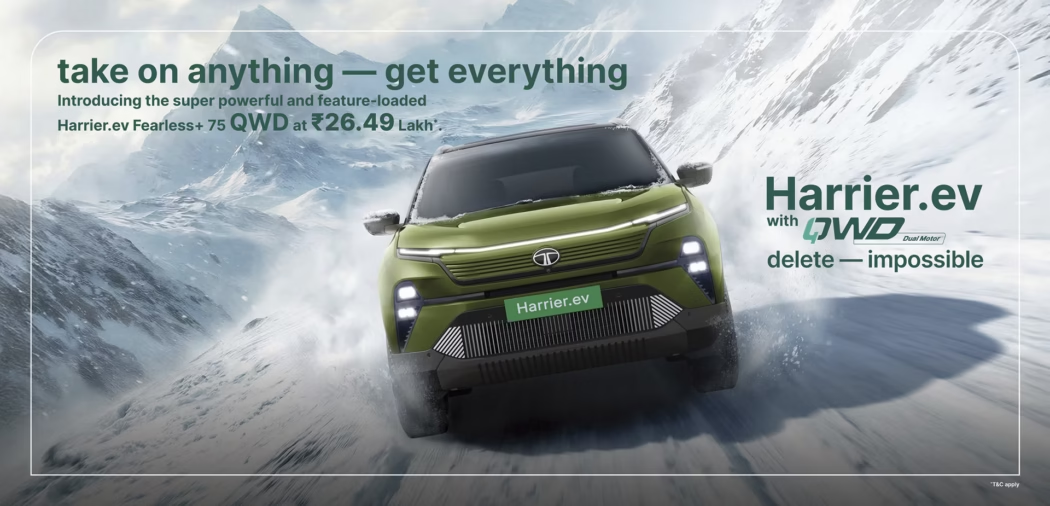
- Price: ₹21.5 Lakh – ₹28.9 Lakh
- BNCAP AOP: 32/32 | COP: 45/49
- Global NCAP AOP: 33.05/34 (The highest Global NCAP score ever achieved by any Indian car)
The Tata Harrier EV shares the top spot in BNCAP with the XEV 9e, and it also set another record by scoring 33.05/34 in the Global NCAP ratings.
This car is built on the Land Rover OMEGARC platform—the very same platform used in vehicles such as the Range Rover and the Defender. This means that, in the event of a crash, the cabin structure remains virtually intact, with almost no deformation.
Key Safety Features:
- 6 airbags (standard) — 7 in the Fearless and Empowered variants
- 360-degree camera
- Level 2 ADAS (automatic emergency braking adaptive cruise control)
- All-wheel disc brakes
- Tyre Pressure Monitoring System (TPMS)
NOTE: This model is available exclusively as an EV If the charging infrastructure in your city is not yet fully established, consider the Harrier ICE variant which achieves an identical score in GNCAP testing.
#3 — Mahindra BE 6 AOP: 31.97/32
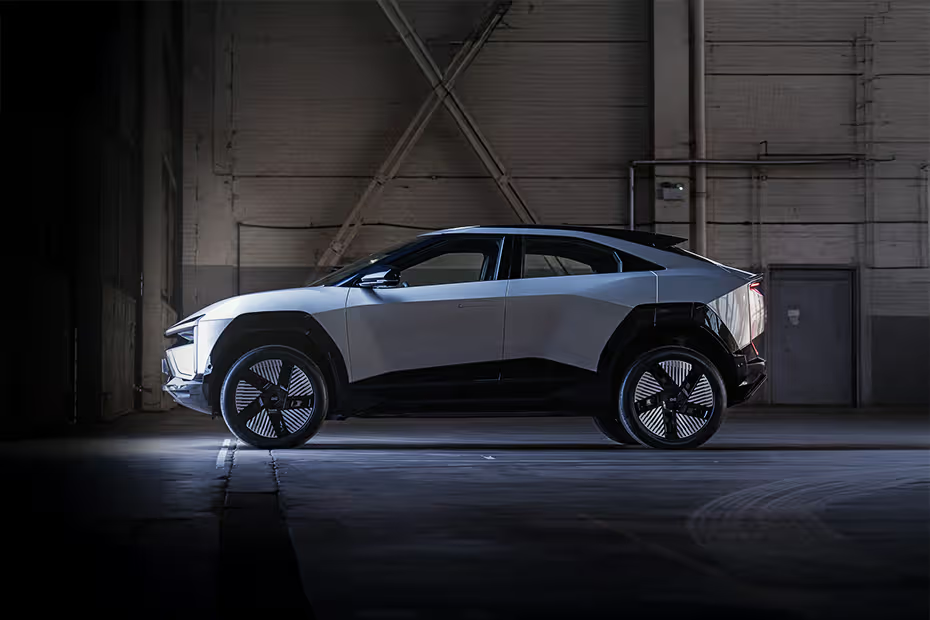
- Price: ₹18.9 Lakh – ₹26.9 Lakh
- BNCAP AOP: 31.97/32 | COP: 45/49
The BE 6 has validated exactly what Mahindra aimed to demonstrate with its EV lineup that if the underlying platform is robust, safety is an inherent quality—not merely an afterthought added later It features 7 airbags, Level 2 ADAS, and a coupe-SUV body style that delivers on both aesthetics and safety.
Key Safety Features:
- 7 airbags
- Level 2 ADAS (radar + camera fusion)
- Electronic Parking Brake with Auto Hold
- Blind Spot View Monitor
- ISOFIX + 3-point seatbelts on all seats
NOTE: Due to the coupe roofline, boot space is slightly reduced For taller families, rear-seat headroom may feel somewhat restricted.
#4 — Kia Seltos (2024 Gen) AOP: 31.70/32
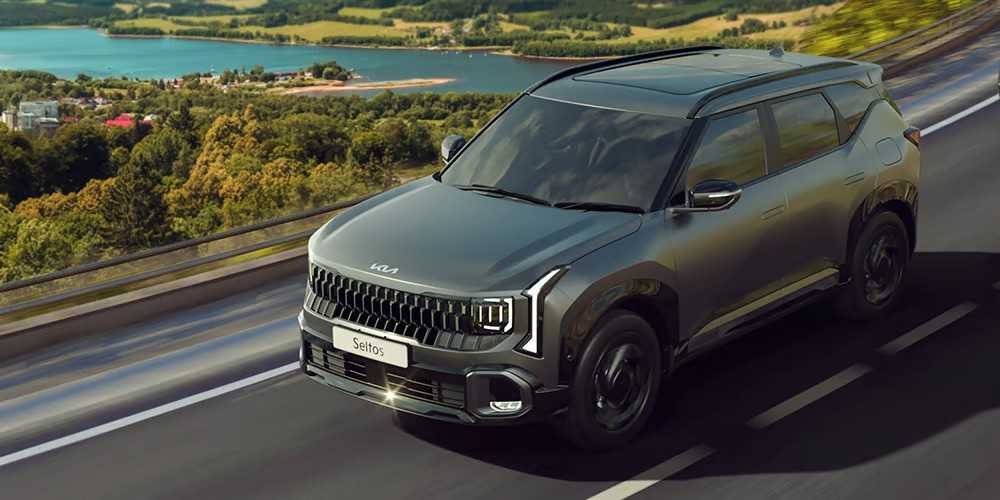
- Price: ₹10.9 Lakh – ₹20.3 Lakh
- BNCAP AOP: 31.70/32 | COP: 45/49
Scoring 31.70/32, the Seltos has proven that it currently holds the highest BNCAP safety rating among all petrol/diesel SUVs It is built upon Kia new K3 platform, which is structurally distinct from that of the previous-generation Seltos.
For those who do not wish to opt for an EV but are seeking a solid, proven SUV in the ₹11 Lakh price range the Seltos currently stands as the safest option in that segment.
Key Safety Features
- 6 airbags (standard across all variants)
- Level 2 ADAS — from the HTX+ trim onwards
- ABS with EBD
- Electronic Stability Control
- ISOFIX child seat anchors
- Blind Spot Collision Warning
Which variant receives the 5-star rating The HTK+ and above. The base HTE variant also features 6 airbags; however, the variant tested was a higher trim level — please be sure to verify this with the BNCAP report.
NOTE: The Diesel automatic combination remains a relatively expensive option If your budget is limited to ₹13 lakh, the Petrol iMT or Petrol DCT variants offer better value.
#5 — Maruti Suzuki Victoris AOP: 31.66/32
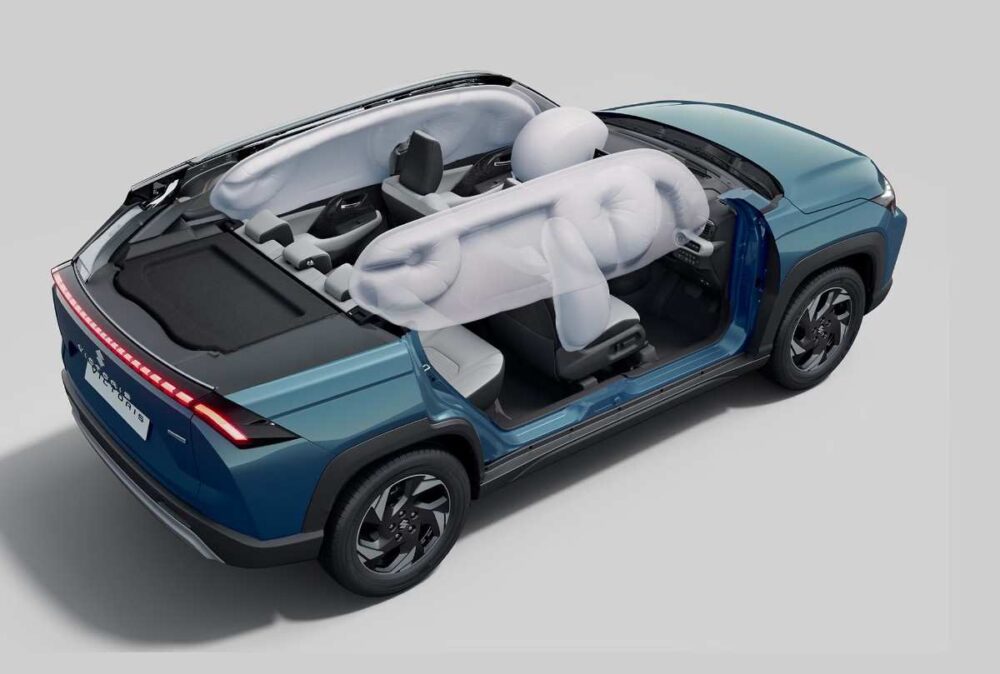
- Price: ₹12.5 Lakh – ₹19.5 Lakh
- BNCAP AOP: 31.66/32 | COP: 43/49
- Global NCAP AOP: 33.72/34 ← This is even higher than the Harrier
Maruti Suzuki—a company that lagged in safety ratings for years has now completely transformed the landscape with the Victoris.
In Global NCAP testing, the Victoris scored 33.72/34, which is even higher than the Tata Harrier score of 33.05. It is built on Suzuki Global C platform and comes equipped with Level 2 ADAS as a standard feature.
Key Safety Features:
- 6 airbags (standard)
- Level 2 ADAS — Lane Keep Assist, Adaptive Cruise Control, High Beam Assist
- Hill Hold Control + Hill Descent Control
- ESC + ABS with EBD
- 360-degree surround view camera
NOTE: The COP (Child Occupant Protection) score is 43/49, which is slightly lower than that of top-tier EVs. This is a point worth noting for families with children.
#6 — Tata Sierra (2026) AOP: 31.14/32
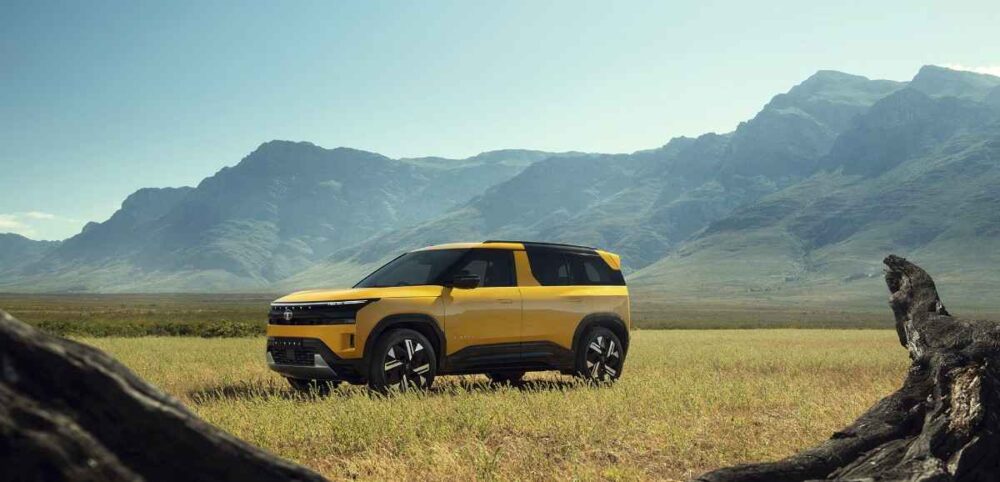
- Price: ₹11.5 Lakh – ₹18.5 Lakh
- BNCAP AOP: 31.14/32 | COP: 44.43/49
The mere mention of the Tata Sierra name evokes a rush of nostalgia following the return of this iconic nameplate in 2026. BNCAP conducted safety tests on it in January 2026.
A standout feature of the Sierra is that it comes with all-wheel disc brakes as standard—a rarity among cars in this price range This makes a significant difference during emergency braking situations.
Key Safety Features:
- 6 airbags (standard)
- All-wheel disc brakes
- ABS, EBD, ESC, Traction Control
- Hill Hold Control
- Rear parking sensors
- ISOFIX child seat anchors
NOTE: Currently, only the diesel engine variant has been tested. The BNCAP rating for the petrol variant is yet to be officially confirmed however, given that it shares the same platform its performance is expected to remain similar.
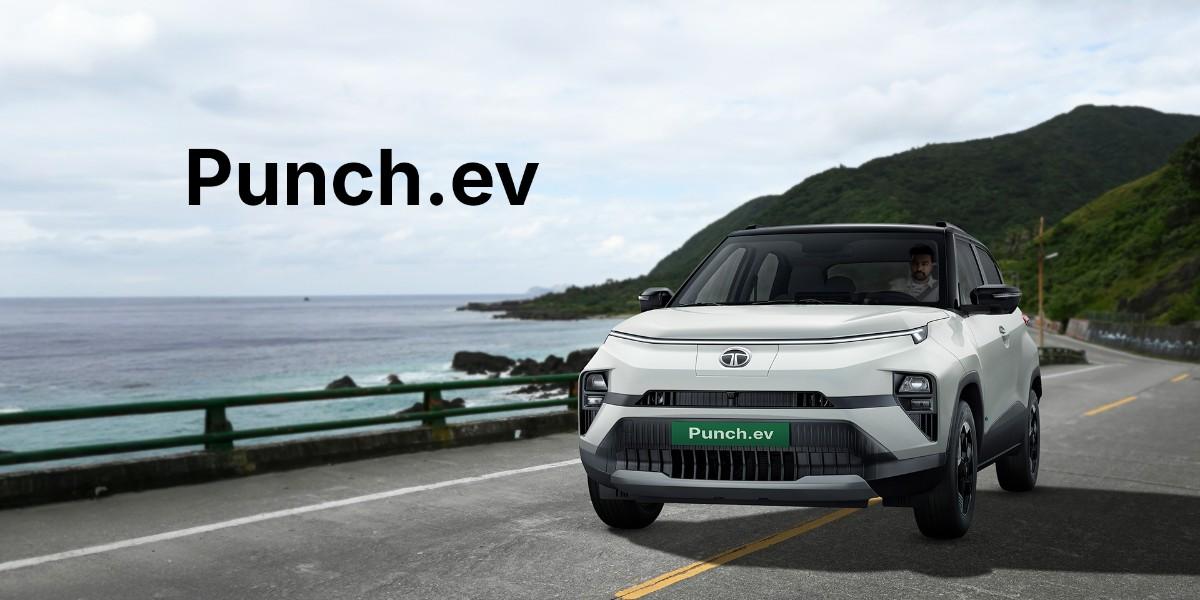
#7 — Tata Punch EV AOP: 31.46/32
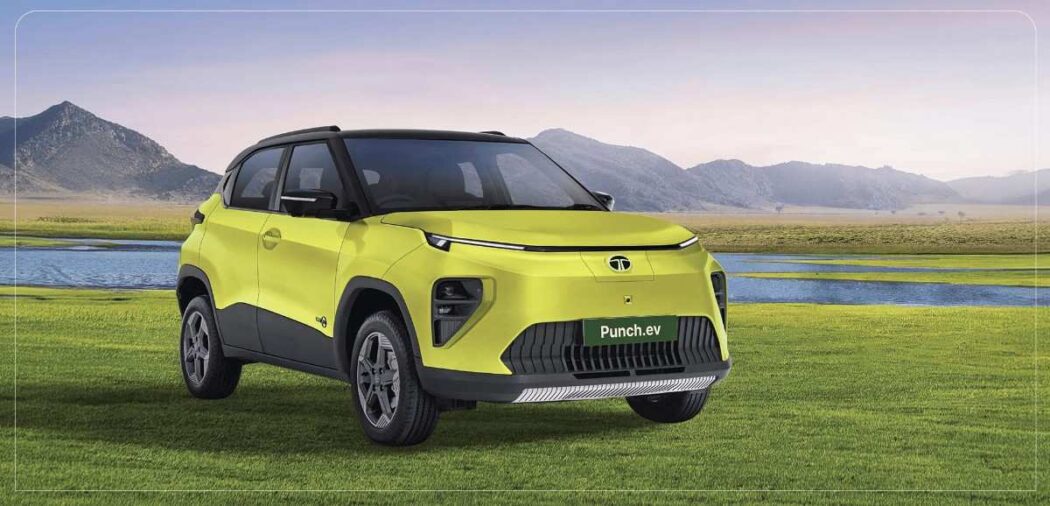
- Price: ₹9.99 Lakh – ₹14.4 Lakh
- BNCAP AOP: 31.46/32 | COP: 45/49
A BNCAP score of 31.46/32 for under ₹10 lakh—this is the Tata Punch EV greatest highlight.
The Punch EV has achieved something previously seen only in premium cars Thanks to its EV platform it boasts a COP score of 45/49—on par with top-tier EVs This means that in terms of child safety, this compact car is in no way inferior to a large SUV.
Key Safety Features
- 6 airbags (standard — right from the base variant)
- 360-degree camera
- Electronic Stability Control
- Hill Climb Assist + Hill Descent Control
- Electronic Parking Brake with Auto Hold
- Blind Spot View Monitor (higher variants)
NOTE: The range is approximately 300 km; therefore, planning is essential for long highway trips It is, however, perfect for city driving and daily commutes.
#8 — Mahindra Thar Roxx AOP: 31.09/32 / COP: 45/49 (Perfect)
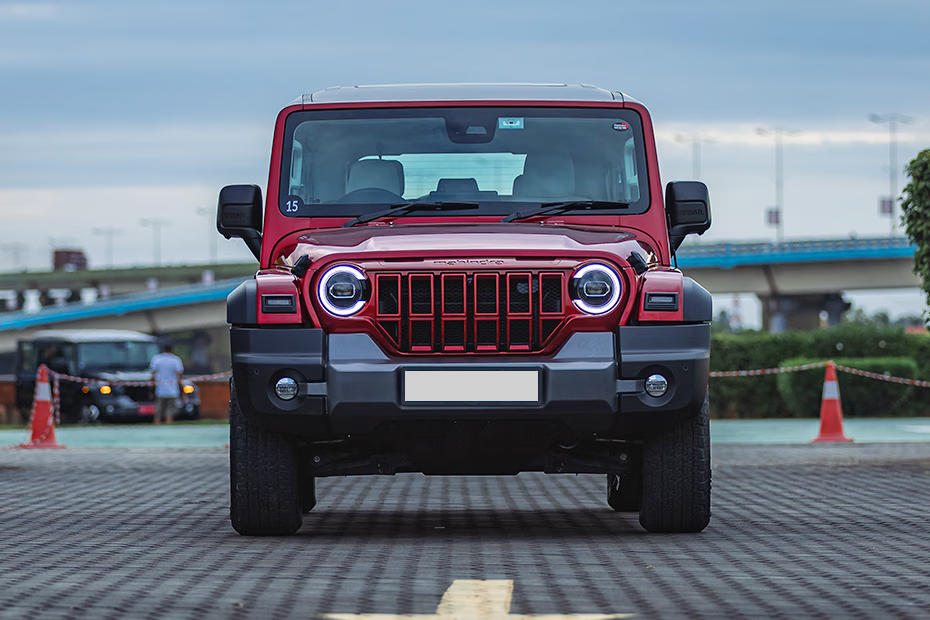
- Price: ₹12.4 Lakh – ₹23.1 Lakh
- BNCAP AOP: 31.09/32 / COP: 45/49
The Thar Roxx stands out as a unique vehicle on this list it is the only 5-star rated, off-road capable SUV currently available in India.
What makes it truly special is its COP score of 45/49—a figure that matches the top-rated EVs on this list In other words, when it comes to child safety the Thar Roxx is second to none.
Key Safety Features:
- 6 airbags (standard)
- ESP + Hill Hold + Hill Descent Control
- TPMS
- ISOFIX child seat anchors
- ABS with all-wheel disc brakes
- Level 2 ADAS (from the AX5L trim onwards)
NOTE: Variants below the AX3L trim do not feature ADAS. If ADAS is a priority for you, consider the AX5L as the minimum option—which is priced around ₹17 lakh.
#9 — Tata Harrier & Safari (Petrol/Diesel) AOP: 30.08/32 / Global NCAP: 33.05/34
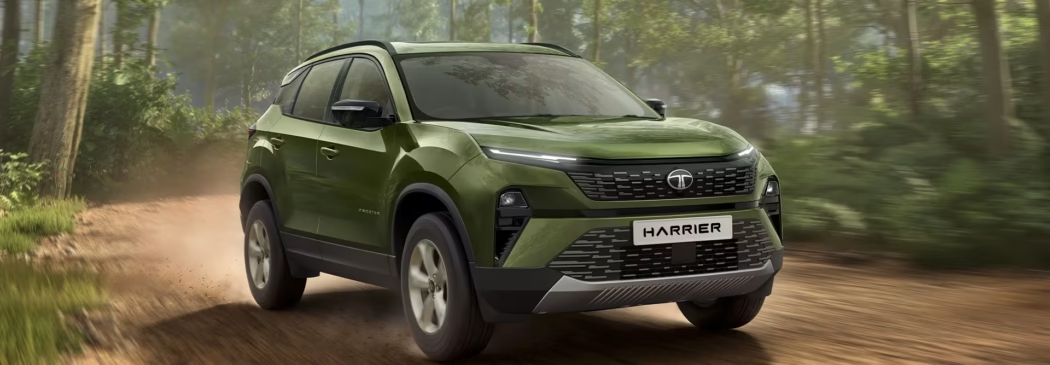
- Price: Harrier ₹14 lakh – ₹22 lakh | Safari ₹14.6 lakh – ₹25 lakh
- BNCAP AOP: 30.08/32 | COP: 44.54/49
If you are not looking for an EV but desire the most trusted safety standards in the world, you can opt for the Harrier and Safari these are the cars that have truly upheld their legacy.
With a score of 33.05/34 in Global NCAP, this stands as the highest record achieved by any Indian car to date (the EV version matched this score but did not surpass it). The OMEGARC platform—derived from Land Rover holds the cabin together during a crash as if it were a steel cage.
The Safari features a third row of seating making it the only 5-star rated option available for a 7-seater family vehicle.
Key Safety Features:
- 6 airbags (standard — right from the base model)
- Level 2 ADAS (camera + radar)
- Corner Stability Control
- Roll-Over Mitigation
- After-Impact Braking
- 360-degree high-resolution camera
- TPMS + All-wheel disc brakes
NOTE: The 1.5L diesel engine lags behind some rivals in terms of power output (167 bhp). However, if safety is your primary concern…
#10 — Tata Punch (Petrol & CNG) | AOP: 30.58/32
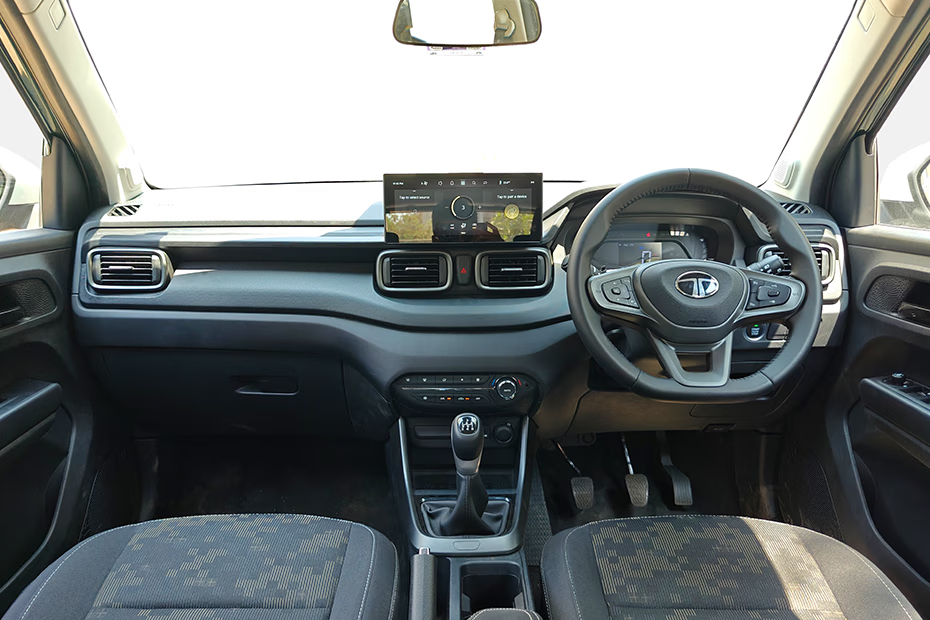
- Price: ₹5.59 lakh – ₹10.2 lakh
- BNCAP AOP: 30.58/32 | COP: 45/49
This is India most affordable 5-star safety car—and this is just a marketing tagline, it is a verified fact from NCAP.
The base Smart variant of the Tata Punch starts at an introductory price of ₹5.59 Lakhs, and even this entry-level model comes standard with 6 airbags, ESC, ISOFIX, and TPMS. No dealer can compel you to purchase a top-end variant in the name of safety.
In 2026, another major
announcement arrived: the Punch CNG AMT variant also achieved a 5-star safety rating This marks the first time that a CNG automatic car has attained this distinction.
Key Safety Features:
- 6 airbags (standard starting from the base ‘Smart’ variant)
- ESC + ABS with EBD
- ISOFIX child seat anchors
- TPMS
- Hill Hold Control
- Corner Stability Control
NOTE: The cabin size is compact while it offers comfortable seating for 4 adult passengers. Long journeys with 5 adults on board might feel a bit cramped.
Which is the safest car for your budget?
Everyone has a different budget and unique needs, depending on whether you have a small family or specific requirements which car is the perfect fit for you?
Safest Car Under ₹7 Lakhs — Tata Punch
Tata Punch at ₹5.59 Lakhs No other 5-star rated car exists in this budget segment The base ‘Smart’ variant comes with 6 airbags and ESC (Electronic Stability Control) as standard features—a significant achievement in this price bracket.
Safest Car Between ₹7 Lakhs – ₹15 Lakhs — Kia Seltos or Tata Sierra
This is the budget segment that witnesses the highest volume of car salesband consequently, the competition here is also the most intense.
Kia Seltos (₹10.9L+) — Boasts the highest BNCAP ICE (Internal Combustion Engine) score among all petrol/diesel SUV L2 ADAS features are available starting from the HTX+ variant It offers an excellent combination of value and safety.
Tata Sierra (₹11.5L+) — Features a fresh safety test rating from January 2026, an iconic design and all-wheel disc brakes as standard equipment If you are looking for a choice that is a bit distinct and bold, the Sierra is the way to go.
Safest Car Above ₹15 Lakhs — Tata Harrier EV / Mahindra XUV.e9
Is EV charging infrastructure available in your city If so, choose between the Tata Harrier EV and the Mahindra XUV.e9 both have achieved a perfect score of 32/32.
If you prefer an ICE (petrol/diesel) vehicle, the Tata Harrier or Safari (rated 33.05/34 by GNCAP) remains the most reliable choice under any driving conditions.
Safest Car for Families with Children — Mahindra Thar Roxx
In terms of COP (Child Occupant Protection) scores, both the Mahindra Thar Roxx (45/49) and the Tata Punch EV (45/49) stand at the very top of the rankings Features such as ISOFIX anchor points and a properly structured rear seat ensure that child seats remain securely fastened during a collision This specific safety score is something that very few buyers actually check.
5-Star Rating Doesn't Apply to Every Variant
Safety assessment bodies like BNCAP test a *specific* variant of a vehicle The resulting safety rating is based solely on that particular tested variant—and it is up to the manufacturer to declare whether that rating applies to the entire model lineup or not However, in some instances—particularly regarding safety equipment that is standard only in higher trims the base variant may not be quite as safe.
| Car | Tested Variant | Does Base Variant Get 5-Star? |
|---|---|---|
| Tata Punch | Smart (Base) | Yes ✓ |
| Tata Harrier EV | All Variants | Yes ✓ |
| Mahindra XEV 9e | Pack One | Yes ✓ |
| Kia Seltos | HTK+ | Confirmed — 5-Star from HTK+ and above |
| Mahindra Thar Roxx | AX5L | Yes on AX3L+ (AX3 to be confirmed) |
| Tata Sierra | Accomplished+ | Applicable to all variants |
| Maruti Victoris | All Variants | Yes ✓ |
Are Electric Cars Truly Safer?
The top 3 positions on this list—occupied by the XEV 9e, Harrier EV, and BE 6—have all been claimed by EVs.
To manufacture an EV, manufacturers must completely rethink the car entire architecture from the ground up, primarily because the battery pack needs to be accommodated somewhere This battery is typically positioned along the floor of the vehicle.
- First: The center of gravity is lowered significantly, dramatically reducing the risk of a rollover.
- Second: The battery casing itself acts as a rigid structural element protecting the cabin during side-impact collisions.
- Third: EV platforms lack the traditional engine compartment found in petrol cars this allows for a more effective crumple zone design
NOTE: Regardless of the electric powertrain a poorly designed EV can be just as dangerous as a poorly designed petrol car The Citroën eC3 (which received a 0-star Global NCAP rating) serves as a prime example of this.
Conclusion: Buying an EV does not automatically guarantee safety Buying an NCAP-tested EV is what ensures safety.
Popular Models Without an NCAP Rating
Some cars are extremely popular yet they have not yet undergone testing under the current BNCAP or GNCAP protocols (specifically the 2023+ standards) This does not necessarily imply that they are unsafe; however you lack any independent verified crash-test evidence to confirm their safety.
- Maruti Baleno — A top-seller, but currently unrated under the new protocols.
- Maruti Swift (Latest Gen) — A popular hatchback but has not undergone 2023+ NCAP testing.
- Maruti Fronx — A new model has not yet been tested.
- Maruti WagonR — The first car for millions of households, yet lacks any current crash-test data.
- Hyundai Grand i10 Nios — An affordable option, but currently has no BNCAP results available.
NOTE: These cars cannot be categorically labeled as “unsafe.” However, in 2026—when a verified 5-star safety-rated car like the Tata Punch is available for just ₹5.59 lakhs why take the unnecessary risk of opting for an unrated vehicle
Frequently Asked Questions (FAQ)
Which is the safest car in India in 2026?
Both the Mahindra XEV 9e and Tata Harrier EV have achieved a perfect Adult Occupant Protection score of 32/32 in the BNCAP. This is the highest BNCAP score ever recorded by any Indian car to date.
Which is the most affordable 5-star safety car in India?
The Tata Punch — starting at ₹5.59 Lakh. Even the base ‘Smart’ variant comes standard with 6 airbags, ESC, and ISOFIX mounts You won’t find NCAP-verified 5-star safety anywhere else in this budget range.
Does the base variant also receive a 5-star rating?
Not always. BNCAP tests a specific variant In the case of the Tata Punch, Harrier EV, and XEV 9e, the 5-star rating applies right from the base variant For the Kia Seltos and Thar Roxx, the 5-star rating is confirmed for the higher trims you should definitely check the BNCAP report regarding the base variants.
Which is more reliable: Bharat NCAP or Global NCAP?
Both are reliable the only difference lies in their testing conditions BNCAP tests specific versions of vehicles sold within India GNCAP utilizes an international protocol which is stricter in certain aspects For instance, the Tata Harrier/Safari scored 33.05/34 in GNCAP and 30.08/32 in BNCAP both resulting in a 5-star rating—but the GNCAP protocol was the more stringent of the two.
Are electric cars always safer than petrol cars?
When it comes to NCAP-tested EVs, the answer is often yes However, this solely due to the electric powertrain itself but rather due to the structural design of the purpose-built EV platform An unrated EV can be just as risky as an unrated petrol car.
Which is the safest family car within a budget of ₹10 lakh?
Tata Punch EV (starting at ₹9.99 lakh) — 31.46/32 for Adult Occupant Protection (AOP) and 45/49 for Child Occupant Protection (COP) In terms of child safety (COP), it stands on par with the top-rated EVs If you prefer not to opt for an EV the Tata Punch Petrol (₹5.59L+) also boasts an impressive score of 30.58/32.
Conclusion
In 2026, it can be stated with absolute confidence genuine 5-star safety in India is now available starting at just ₹5.59 lakh. It was merely a decade ago that the Tata Nexon first achieved a 5-star rating from Global NCAP—a feat that left the entire nation Today in 2026, two cars have already achieved a perfect score of 32/32.
Sources: Bharat NCAP (bncap.in), Global NCAP (globalncap.org), Autocar India, CarDekho, MoRTH Road Accident Report 2024