
The Hyundai Verna Facelift Interiors has carved out a niche for itself in the Indian automotive market, especially its interiors Nowadays people don’t just look at the engine and looks before buying a car but also pay equal attention to cabin quality, features, and comfort Its new, viral interior has prompted even more people to take a look.
First Look - Dashboard
When you first open the Verna Facelift door, the first thing you notice is its futuristic dashboard Hyundai has put serious effort here Dual 12.3-inch curved display panels—one for infotainment one for the digital instrument cluster.
The dashboard design is very clean and modern The dual-tone black and beige colour scheme gives the cabin a spacious feel However, if you prefer a sportier vibe, the Turbo variants offer an all-black interior with red accents.
Material quality includes soft-touch plastics used in the upper section of the dashboard Metal finish accents are added to the door handles and handbrake, adding a premium feel.
Technology: Infotainment and Connectivity
Lower variants get an 8-inch screen that covers basic features but lacks wireless connectivity. Navigation, music streaming, and voice commands.
One feature I personally liked was the Bose premium 8-speaker sound system This feature is available in SX variants onward, and the sound quality is genuinely impressive Bass, treble, mid-range – everything is balanced.
Table of Contents
Comfort Level – Seating Area Space
Front seats are very comfortable, with proper cushioning and support Top variants feature ventilated and heated seats which are very useful in India climate The driver’s seat is 8-way power adjustable and also has lumbar support
Rear seat space has improved significantly from the previous generation Legroom is good for average-height passengers. Under-thigh support is also decent. Yes, compared to the Honda City, the City is slightly more spacious in the rear seats.
Rear passengers have AC vents in the centre console, and a phone slot is also a convenient feature.
There is an electric sunroof, which is available on the S variant onward The cabin is reasonably sized and feels airy. Voice-activated sunroof control is also available which keeps it quite cool.
Climate control is dual-zone automatic in SX variants while base variants have manual AC. The glovebox is cooled, which is useful for cold drinks in the heat.
Boot space is 528 litres, which is segment-leading and more than the City There is plenty of luggage space for family trips.
Verna Safety - 6 Airbags and ADAS
Safety – 6 Airbags and ADAS Top turbo variants feature a Level 2 ADAS (Advanced Driver Assistance System), which is quite comprehensive:
Forward Collision-Avoidance Assist – Automatic braking if there a risk of a frontal collision Lane Keeping Assist – Keeps the car centered in the lane Blind Spot Warning – Illuminates indicators in the side mirrors if there’s a vehicle in the blind spot Adaptive Cruise Control – Adjusts speed based on traffic on the highway Rear Cross-Traffic Alert – Alerts you of vehicles approaching from the side when reversing
Other safety features include Electronic Stability Program (ESP), Vehicle Stability Management (VSM), Hill-start Assist, rear parking sensors and a camera with dynamic guidelines.
Build quality is solid, and the Verna has received a 5-star crash test rating from Global NCAP.
Variant-wise, what is available?
- EX (Base Variant) – Starting from ₹10.80 lakh
- Dual-tone interior
- cloth upholstery
- Manual AC
- No infotainment
- (Bluetooth music system is basic)
- 6 airbags standard
- Basic but functional
- S/S(O) Variants – ₹12.50-13 lakh range
- An 8-inch touchscreen appears to have been added
- electric sunroof
- wireless charger
- Better connectivity features
- Good upgrade for most buyers
- SX/SX+ Variants – ₹13.80-15 lakh range
- 10.25-inch dual-screen setup
- Dual-zone automatic climate control
- Ventilated and heated front seats
- Bose 8-speaker system
- digital instrument cluster
- Best value for money in my opinion
- SX(O) Turbo – ₹16-17.50 lakh
- All-black sporty interior theme
- Full ADAS Level 2 suite
- All premium features
- Turbo engine with DCT
- For enthusiasts who want the best
Comparison with Honda City VS Verna: Which is better
The Verna has the edge in technology – a bigger dual-screen setup more advanced ADAS features and a better sound system (Bose vs. standard).
The City has a slight edge in space especially in the rear seats There is slightly more legroom and better headroom, thanks to the sloping roofline.
In terms of premium feel, the City approach is conservative and elegant, while the Verna is sporty and tech-focused This depends on personal preference.
The Verna clearly leads in features – ventilated seats, Level 2 ADAS (in the turbo), ambient lighting, wireless charging – all these features are better integrated in the Verna.
According to recent surveys, around 67% of young buyers prefer the Verna due to technology and features while families who prioritise space tend to go for the City.
What Real Owners Say?
I spoke with some Verna owners and gathered their feedback:
Positive Feedback:
- The dual-screen setup is very impressive; it’s fun to show off to guests.
- The ADAS features are very helpful on the highway, reducing driving stress.
- The build quality feels solid, and there’s a thud sound when closing the doors.
- The ventilated seats are a blessing in the heat.”
Negative Feedback:
- The all-black interior feels dark, and the cabin feels a bit confined.
- The rear seat is as spacious as the City taller people may have headroom issues.
- Some hard plastics make the lower dashboard feel cheap, considering the price.
Pros and Cons
PROS ✅
With a segment-leading dual 12.3-inch curved display setup
Premium tech features like Bose speakers, ambient lighting, wireless charging, etc.
Level 2 ADAS safety is a plus in turbo variants
Six airbags standard on all variants – a big plus
Good storage spaces and 528 liters of boot space
Sporty all-black interior theme in turbo variants
CONS ❌
Rear seat space is slightly less than that of the Honda City
Dark interior makes the cabin feel confined for some
Use of some hard plastics in lower trims
No diesel option, which long-distance drivers may miss
Final Verdict
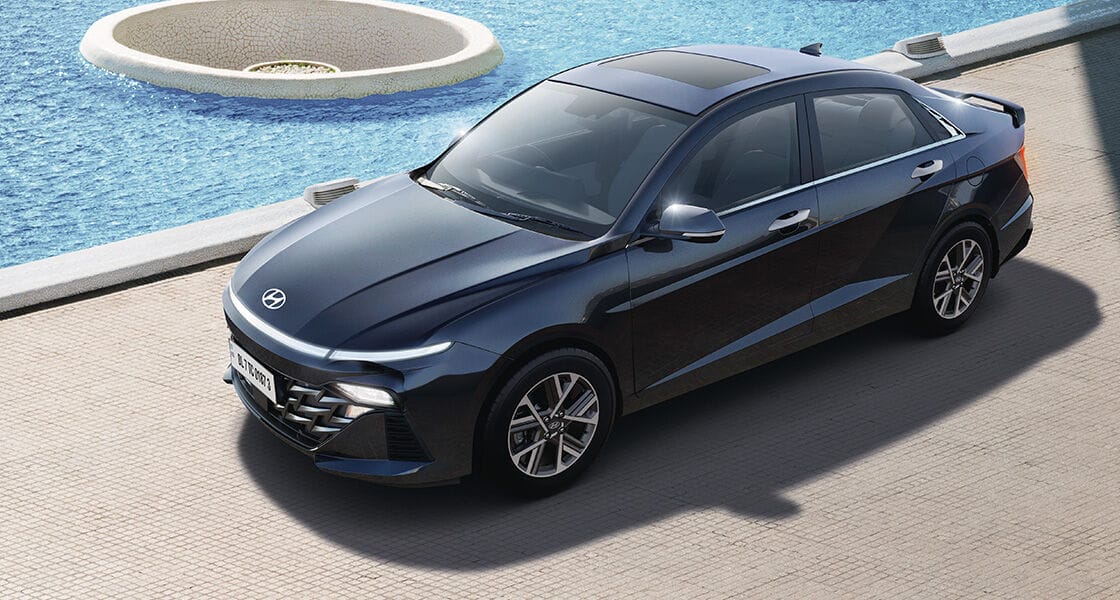
So friends, the interior of the Hyundai Verna Facelift is honestly quite impressive This is for those The perfect choice for those who prefer technology and modern features, prioritise safety, and want both performance and comfort in a sedan.
If you’re buying a car based solely on family space and always have a large number of passengers, the Honda City rear seat space may be a better option.
Interior quality, features list, safety equipment—the Verna has upped its game in every aspect In the price range of ₹10.80 lakh to ₹17.50 lakh, it’s a genuinely competitive option.
Frequently Asked Questions (FAQs)
What is the screen size of the Hyundai Verna facelift?
Top variants have dual 12.3-inch curved display setups—one for infotainment and one for the digital instrument cluster. Lower variants have an 8-inch touchscreen.
Does the Verna have ADAS features?
Yes, the turbo petrol variants (SX Turbo and SX(O) Turbo) have Level 2 ADAS available which includes 17 features like forward collision warning, lane keep assist and blind spot monitoring.
How many airbags does the base variant have?
This is a segment-first feature – six airbags are standard across all variants, including the base EX variant This is a major safety achievement.
How does the Verna rear seat space compare to the Honda City?
Honda City rear seat is slightly more spacious in both legroom and headroom However, the Verna is also comfortable and normal-height passengers can easily fit.
How much boot space is there?
There is 506 litres of boot space which is segment-leading and even more than the Honda City (506L).
Disclaimer: Prices and features may vary depending on location and dealership. Contact your nearest Hyundai showroom for the latest information Article last updated: February 2026.