
These days, buying a car is almost as easy as going to a showroom First you need to decide which fuel type to choose—petrol vs Diesel vs CNG vs Hybrid vs EV 2026. The options have expanded to include petrol, diesel, CNG, electric, hybrid, and more!
I spent the last two weeks just researching this I talked to dealers checked data, and looked at the practical experience of my friends cars So now I’ll tell you everything that actually matters.
What's the Real Picture of 2026? What has changed in the market?
By December 2025, petrol in Delhi has reached ₹94.77 per litre and diesel ₹87.67 per litre. CNG is currently hovering around ₹77 per kg in major cities And speaking of infrastructure, quite a lot has changed in the last two years.
Regarding electric vehicles, the number of charging stations has increased by 400% since 2023 The government has allocated ₹2,000 crore under the PM E-DRIVE scheme specifically for charging infrastructure By 2026, approximately 72,000 chargers will be installed on 50 national highway corridors.
The trend of hybrid cars is also growing rapidly Maruti Suzuki has announced that by 2030, 25% of their sales will be hybrid vehicles Toyota, which is already strong in this segment is also launching new models.
Petrol vs Diesel vs CNG vs Hybrid vs EV 2026
Petrol Cars: The Most Reliable Car
Petrol cars are still the first choice in India today. Why? Because it’s the most hassle-free option, you don’t have to worry about finding a special pump. The performance is reliable and the maintenance is comparatively low.
The on-road price of the Maruti Swift petrol variant in Delhi is around ₹7-8 lakh. It gives a mileage of 18-20 kmpl in the city This means if you drive 30 km daily, you cover 900 km in a month. Based on current petrol rates the monthly fuel cost comes to around ₹4,500.
Diesel Cars: The King of the Highway
When you hear the word diesel, only one thing comes to mind power and mileage If you do regular long drives, or drive more than 2,000 km a month, then diesel is still unbeatable The torque is so good that overtaking on the highway is incredibly smooth.
Take the Tata Nexon diesel variant which has an on-road price of around ₹10-11 lakh, but offers a mileage of up to 24 kmpl. With the same calculation of 900 km per month, your fuel cost with diesel will be around ₹3,300, almost ₹1,200 less than petrol In a year, this saving can reach ₹14,000-15,000.
CNG: The Budget King
The biggest USP of CNG is saving money The current rate is ₹77 per kg, and if you take the Maruti Ertiga CNG which gives 26 km/kg, the fuel cost drops to ₹2,700 per month Same calculation, same 900 km. This means almost 40% savings compared to petrol.
My daily running was 150-200 km. With petrol, I would spend ₹800-900 on fuel daily but with CNG, only ₹300-350. That is a direct saving of ₹15,000-18,000 per month From a business perspectiv,e it’s perfect.
However, CNG reduces boot space because of the cylinder If you’re going on a family trip with a lot of luggage, it can be a problem.
Hybrid Cars: The Future of Smart Solutions
Hybrid technology means the best of both worlds a petrol engine and an electric motor working together In city traffic, it will run on electric mode, saving fuel, while on the highway, you’ll get the power of the petrol engine.
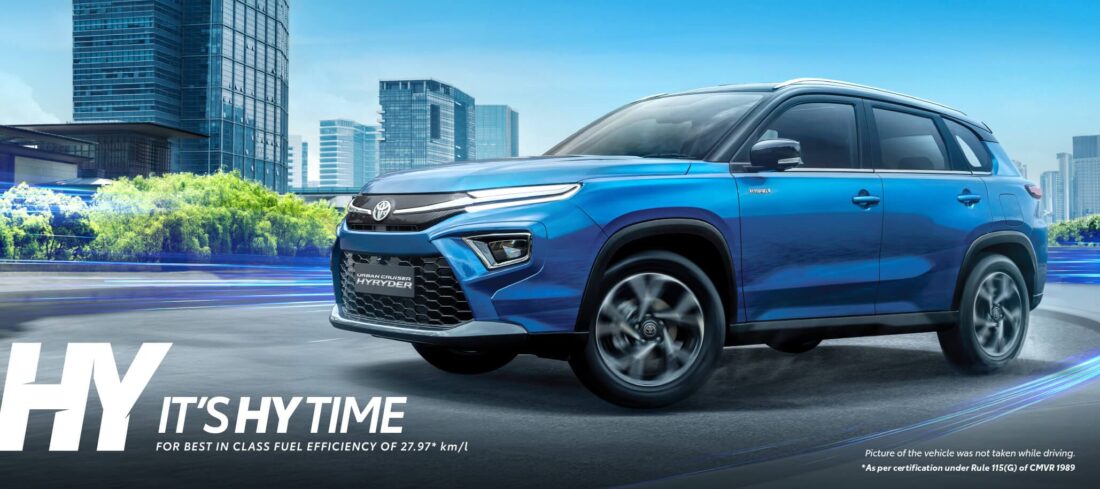
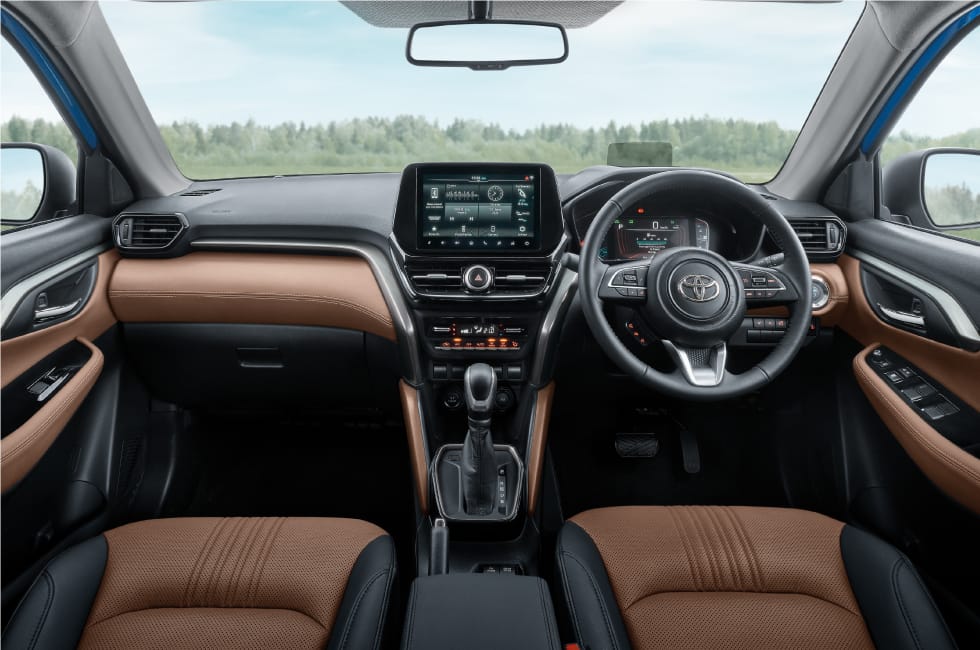
Look at the Toyota Hyryder Strong Hybrid The price is around ₹18-20 lakh, but it offers a mileage of up to 28 kmpl, even in a combined cycle This means an average of both city and highway driving This translates to a monthly fuel cost of around ₹3,200, which is similar to diesel but with much less pollution.
The hybrid market is becoming exciting in 2026 The Maruti Fronx Hybrid is going to be launched, which will feature their new Z12 engine Kia Seltos is also bringing a hybrid variant with an estimated mileage of 30 kmpl The Honda Elevate Hybrid is also in the pipeline with a target of 26 kmpl This means options are increasing, and prices are also coming down.
Electric Vehicles: Dream or Reality?
Everyone is excited about the electric car Zero fuel cost (almost), zero emissions, smooth and silent driving A lot has changed in the last 2-3 years, but there are still challenges.
Let’s take the Tata Nexon EV Prime which is priced at ₹15-16 lakh on-road. The claimed range is 312 km. In real-world conditions, with the AC on and in traffic, getting 250 km is considered good.
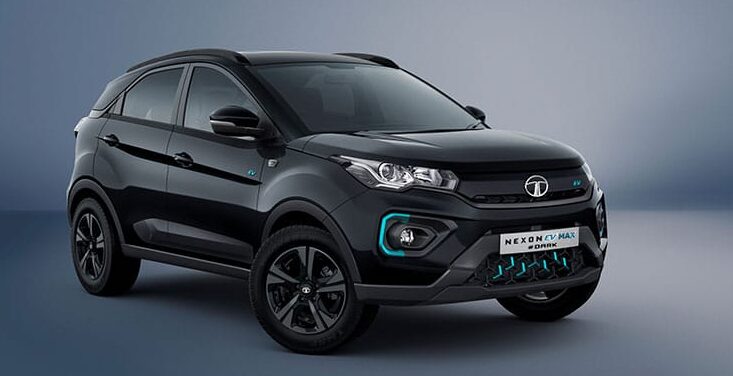
With home charging, if you charge at night the cost per km comes to ₹1.5-2. On a public fast charger, it’s ₹3-4 per km. This means that if you drive 900 km monthly, the fuel cost is ₹1,500-2,000, which is the lowest.
Government Policies 2026 Special Update
The government is now seriously promoting clean fuel The PM E-DRIVE scheme will run from October 2024 to March 2026, with a total budget of ₹10,900 crore. This scheme provides subsidies on electric vehicles and is also expanding the charging infrastructure Maruti has announced that by 2030, their powertrain mix will be 35% CNG, 25% hybrid, and 15% EV.
CNG vehicles are also receiving support There is an excise duty exemption on factory-fitted CNG in some states and commercial vehicles get priority permits if they run on CNG The government’s target is to have 10,000 CNG stations across India by 2030.
What to Choose? Practical Decision Guide
Now I’ll explain in simple terms which option is best for whom:
Choose Petrol if:
- Daily running is less than 50 km
- Mostly city driving, less highway driving
- Budget is limited, you want a lower initial cost
- You plan to keep the car for less than 5 years
Choose Diesel if:
- You drive more than 2,000 km per month
- Highway travel is regular
- You plan for long-term ownership (7-10 years)
- You live outside metro cities (no ban concerns)
- You can afford a higher initial investment
CNG is perfect when:
- Daily running is very high (100-150 km)
- Mostly driving in the city
- CNG infrastructure is easily available in your area
- It’s for commercial use (Uber, Ola, fleet)
- You don’t need much boot space
Hybrid will be suitable if:
- You have mixed usage both city and highway
- Your budget is somewhat flexible (₹15-20 lakh)
- You want the latest technology without range anxiety
- You are environmentally conscious
- Fuel efficiency is a priority in the long term
Buy an Electric car when:
- Your daily commute is fixed and limited (50-80 km)
- Home charging setup is possible
- Mostly driving in the city
- You want to save money in the long term
- You are seriously concerned about the environment
Real Cost Comparison Total Expense Over 5 Years
Let me tell you in simple terms how much the total expense is over 5 years for different variants (using Tata Nexon as an example). Let’s assume a monthly running of 1,500 km:
Petrol Nexon:
- On-road price: ₹9 lakh
- 5-year fuel cost (18 km/l): ₹4.75 lakh
- Maintenance: ₹80,000
- Insurance + other: ₹1.5 lakh
- Total: ₹16.05 lakh
Diesel Nexon:
- On-road price: ₹11 lakh
- 5-year fuel cost (24 km/l): ₹3.25 lakh
- Maintenance: ₹1.2 lakh
- Insurance + other: ₹1.6 lakh
- Total: ₹17.05 lakh
CNG Variant (approximate):
- On-road price: ₹9.5 lakh
- 5-year fuel cost (26 km/kg): ₹2.65 lakh
- Maintenance: ₹85,000
- Insurance + other: ₹1.5 lakh
- Total: ₹14.5 lakh
Electric Nexon:
- On-road price: ₹15 lakh
- 5-year electricity cost: ₹1.3 lakh
- Maintenance: ₹50,000
- Insurance + other: ₹1.8 lakh
- Total: ₹18.3 lakh
As you can see, CNG has the lowest total cost in the shortest time Electric is expensive initially but the long-term fuel savings are significant.
Common Myths and Reality Check
Myth 1: CNG is not safe, the cylinder can explode.
Reality: Factory-fitted CNG systems are very safe. Modern cylinders are crash-tested. With regular maintenance, there is no risk.
Myth 2: Electric car batteries fail in 3-4 years.
Reality: Modern EV batteries come with an 8-10 year or 1.6 lakh km warranty. The technology has improved significantly.
Myth 3: Hybrids require complicated maintenance, which will be very expensive.
Reality: Hybrid technology is now mature Service costs are less than diesel and slightly more than petrol.
Myth 4: Diesel will be completely banned.
Reality: Diesel is still necessary for commercial vehicles The ban is only on older vehicles in some cities
Myth 5: Petrol cars have the lowest resale value.
Reality: Actually, in the current market petrol cars are in the highest demand because there is no ban tension
Exciting Cars Coming in 2026-2027
Electric Segment:
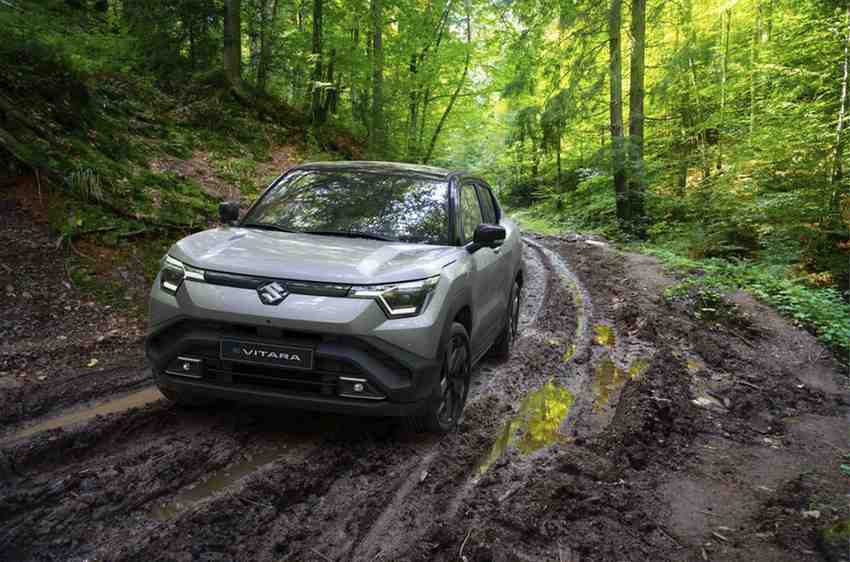
- Maruti eVitara (₹18-24 lakh) – Maruti first pure EV, 450-500 km range
- Tata Sierra EV – Boxy design, 450-480 km range expected Q1 2026
- Mahindra BE6 and XEV.9e – Already launched bookings start January 2026
Hybrid Cars:
- Maruti Fronx Hybrid with Z12 engine is perfect for city driving
- Kia Seltos Hybrid 30 kmpl estimated, premium segment
- Honda Elevate Hybrid 26 kmpl target, mid-size SUV
CNG Options:
- Tata Nexon CNG -25 km/kg expected
- Tata Curvv CNG Possibility of a turbo-petrol option
- Maruti Grand Vitara CNG 7-seater option
Resale Value What's the Future Scenario
Looking at current trends, petrol cars have the highest demand in the used car market Diesel car values are falling, especially in metro cities due to the ban CNG cars have good demand among commercial buyers Electric vehicles are still new in the market so the chances are low for high resale value.
Final Verdict Personal Advice
There is no perfect answer for everyone Everyone has a different use case but I can give some clear recommendations
- If your budget is tight and you mostly do city driving: A petrol hatchback or CNG variant is perfect. Maruti Alto, WagonR, Swift are all reliable options.
- For highway driving and if you can invest money: A diesel SUV still makes sense Tata Nexon, Mahindra Scorpio are good options.
- If you are eco-conscious and a technology enthusiast: Hybrid is the sweet spot right now. Try Toyota Hyryder, Maruti Invicto.
- For pure city use and if home charging is possible: Seriously consider an electric vehicle You can look at Tata Nexon EV, MG ZS EV.
- For commercial use or daily driving of 100+ km, CNG is a no-brainer The savings will be directly reflected in your bottom line
Disclaimer: The prices and specifications mentioned in this article are approximate and may vary depending on the city and dealership Before making a final decision, please confirm the latest information with authorised dealers and seek professional advice Market conditions and government policies are subject to change.